
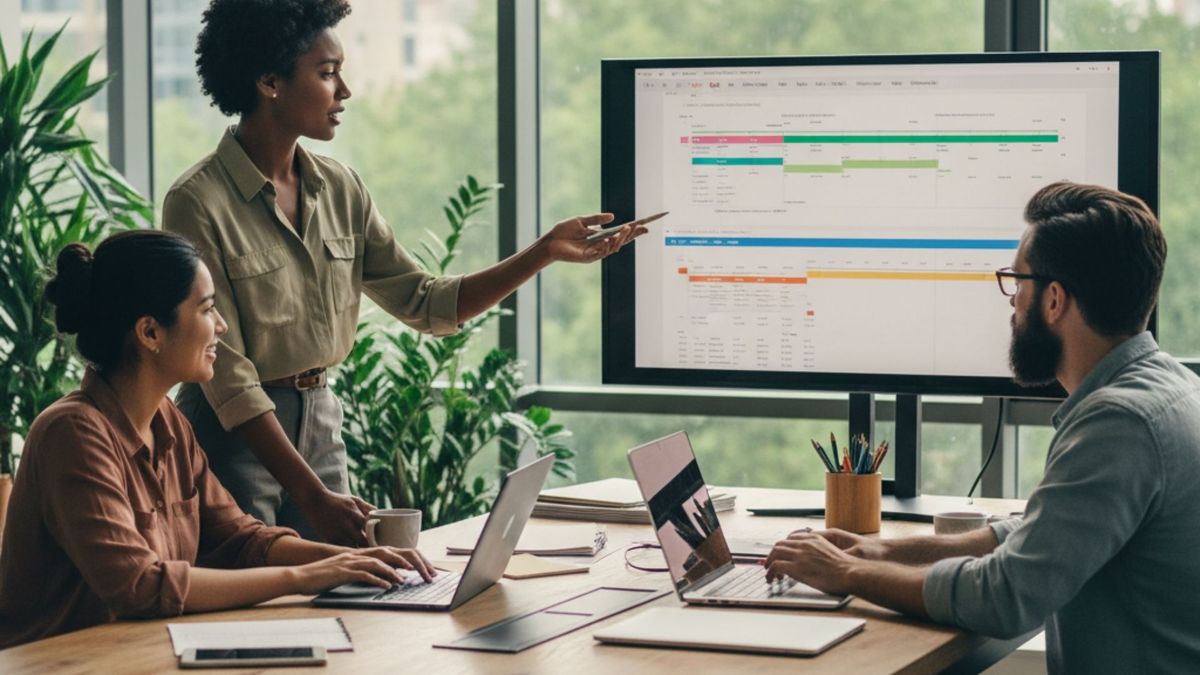
The rigid 9-to-5 workday, a relic of the Industrial Revolution, is rapidly fading. Today’s talent demands more than just hybrid work; they require genuine autonomy over their schedules. This massive evolution in how we approach productivity is called Microshifting. It’s not simply working from home; it's a fundamental restructuring of the day to accommodate life's realities, ensuring peak performance when it matters most. We believe this change is inevitable and marks a critical inflection point for modern business culture.
Defining the Practice of Strategic Flexibility
Microshifting moves beyond traditional flexible hours by segmenting the workday into short, high-focus blocks. Instead of demanding a continuous eight hours, this model allows team members to work early, take a long midday break for personal duties, and then log back on later. We recognize that this strategic flexibility empowers employees to maximize productivity during their natural peak times. Furthermore, Microshifting naturally combats the "meeting tax" and other forms of organizational drag that plague traditional in-office cultures.

Driven by Caregiving and the Rise of Side Hustles
The primary forces behind this shift are clear: the complexities of caregiving and the growth of poly-employment (side hustles). Modern workers, particularly those with family responsibilities, need to structure their jobs around life's demands, not the reverse. By supporting Microshifting, we help our client companies acknowledge and adapt to these essential needs, fostering a culture of understanding and support. The freedom to attend to a school pickup or a midday appointment without guilt is now considered a key benefit, equivalent in value to salary for many in the workforce.

Why Trust Must Replace Time Tracking
The biggest barrier to effective Microshifting is a lack of trust. Many leaders still wrongly equate physical visibility with actual productivity. However, data overwhelmingly shows that teams working with flexible autonomy are often more productive than those under constant surveillance. We advise clients to manage talent based on measurable outcomes, recognizing that time in a seat is irrelevant to true value creation. This requires a significant cultural overhaul, moving from a supervision-based management style to one rooted in accountability and results.

Adapting Leadership for an Outcome-Focused Culture
Implementing Microshifting successfully requires setting clear communication norms and leveraging technology to support, not control. This ensures collaboration remains seamless, regardless of individual work blocks. Leaders must transition from managing time to managing deliverables, ensuring flexibility is applied fairly across all roles, from knowledge work to specialized frontline positions. We emphasize that investing in smart tools, like AI-driven scheduling and asynchronous communication platforms, is essential to make this new model scalable and sustainable across large teams.
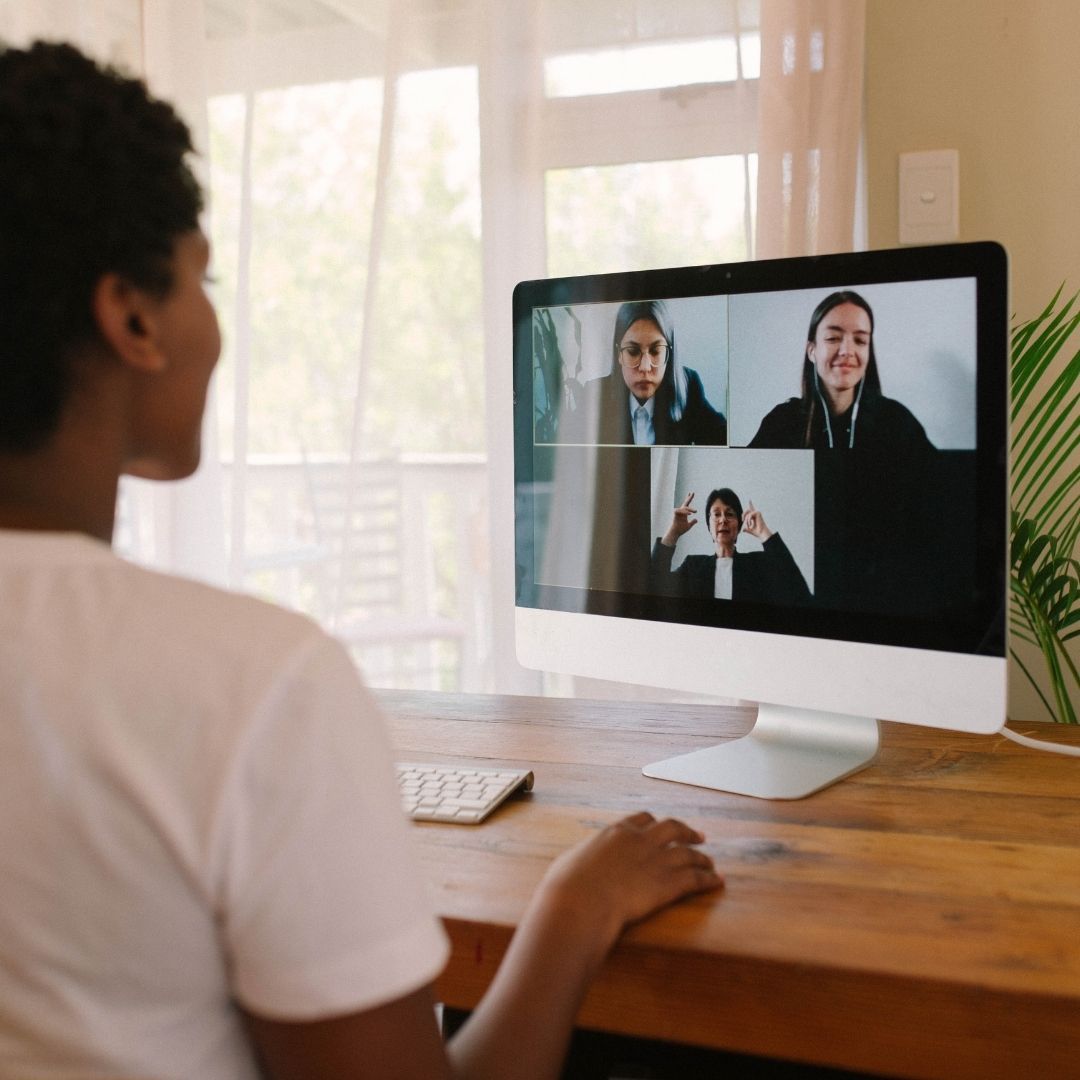
Microshifting is more than a passing trend; it is the definitive structure for the future of work. Companies must evolve to prioritize trust and recognize performance over clock-watching, or they risk losing top talent. Here at TEC Group, we understand how these paradigm shifts affect hiring. Our specialized recruitment solutions are designed to find candidates and leaders ready to thrive in this flexible, outcome-driven environment. Contact us today to learn how we can strengthen your organization through modern workforce solutions, helping you build teams that are both productive and deeply engaged